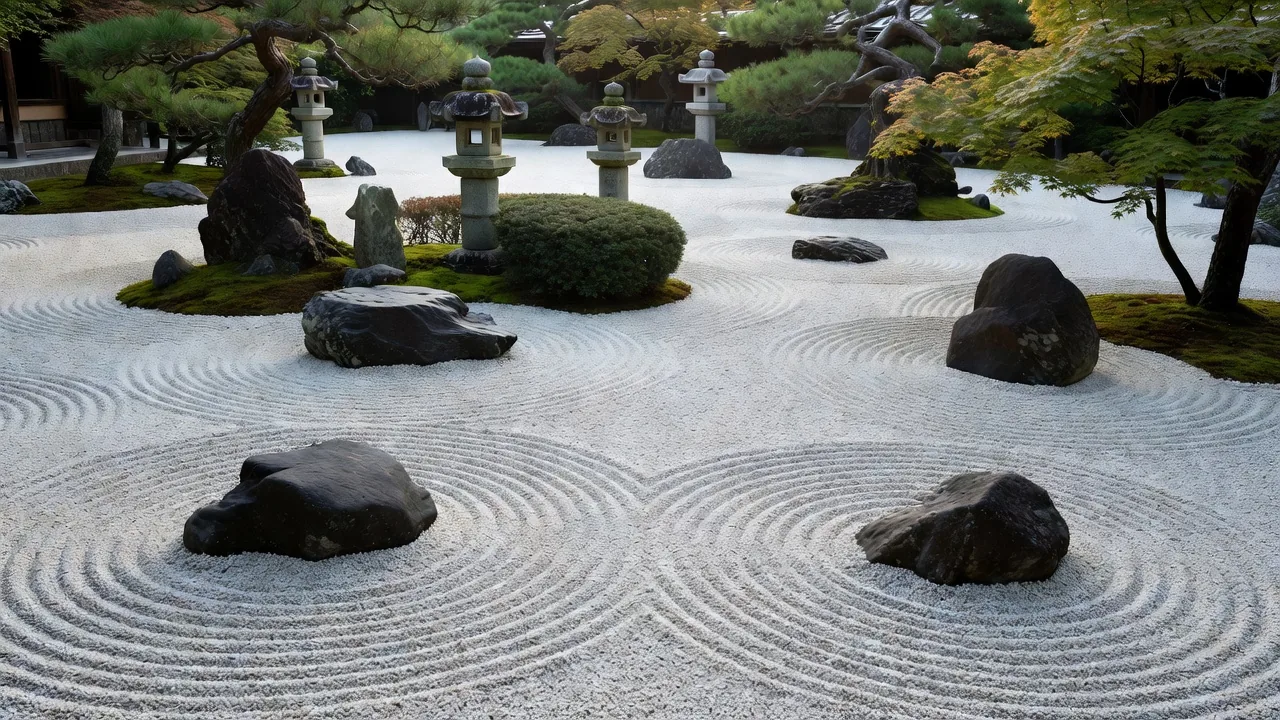

Best Season
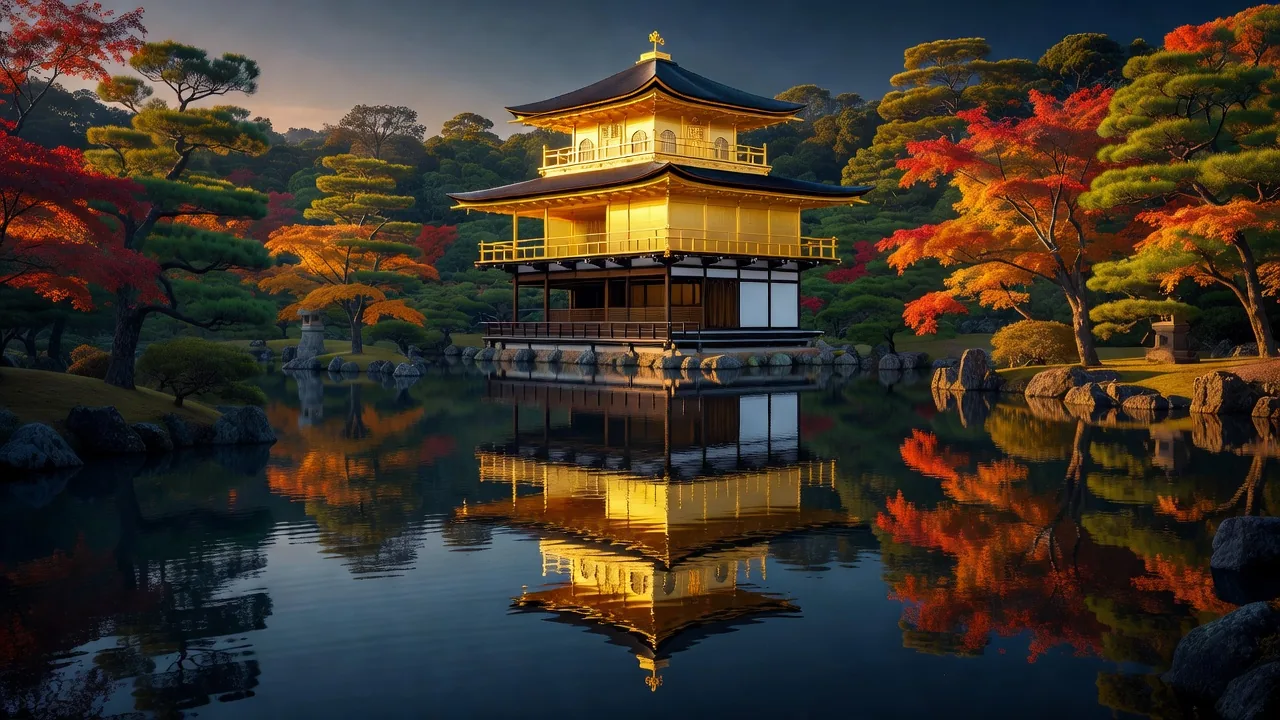
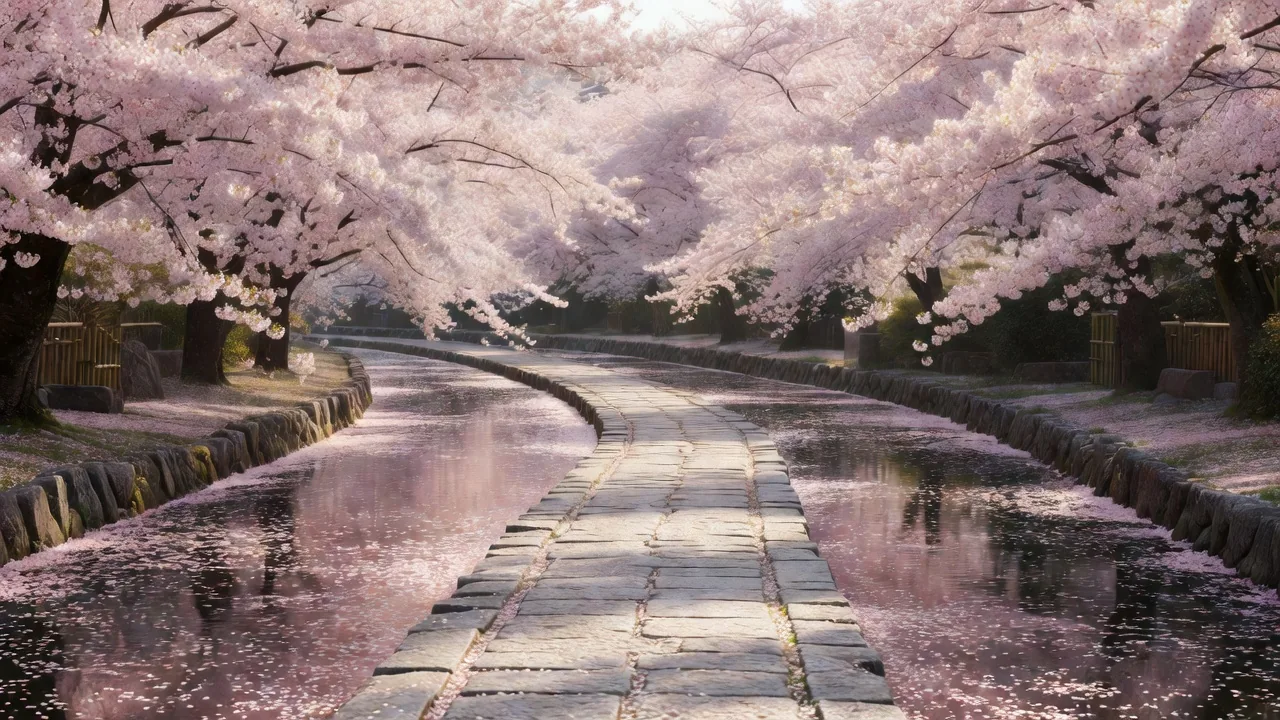
Spring (late March–April) for cherry blossoms and autumn (November) for maple foliage bring Kyoto's gardens and temple grounds to their most vivid, layered color.
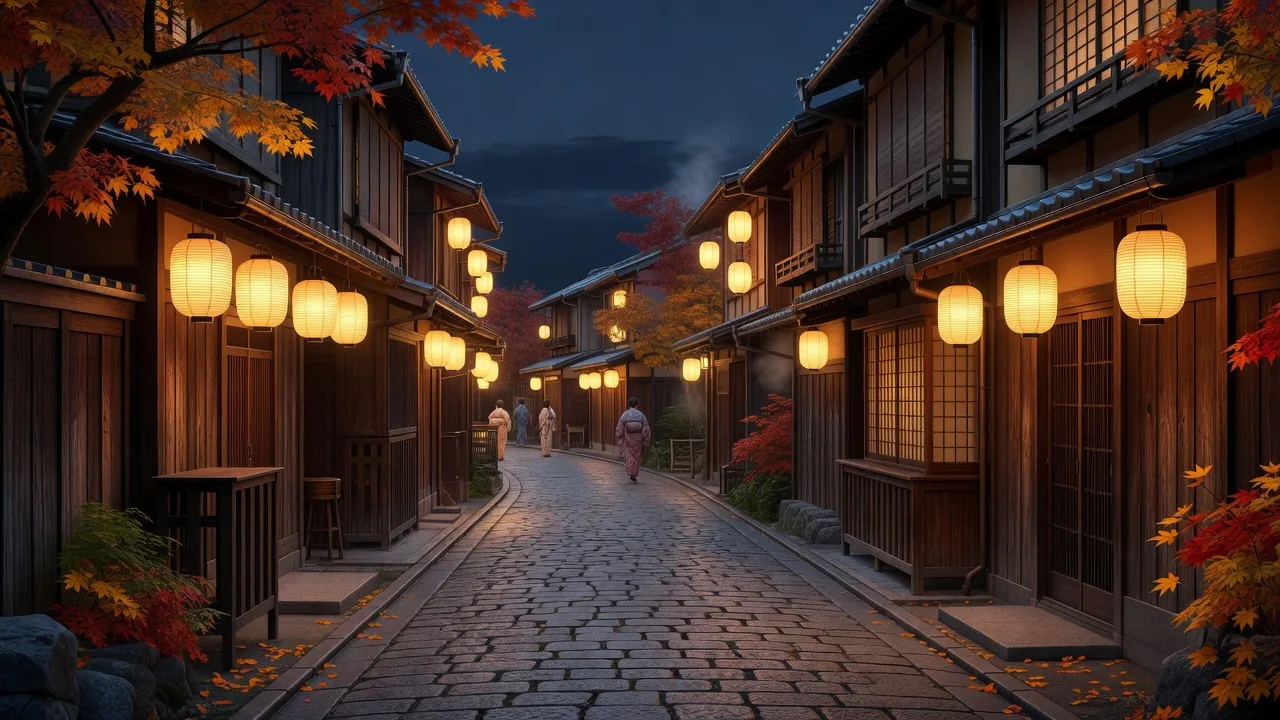
千年の都、京都
Where a thousand years of court, temple, and craft still shape the rhythm of everyday life.
京都は千年の都として、静けさと物語を今に伝えます。
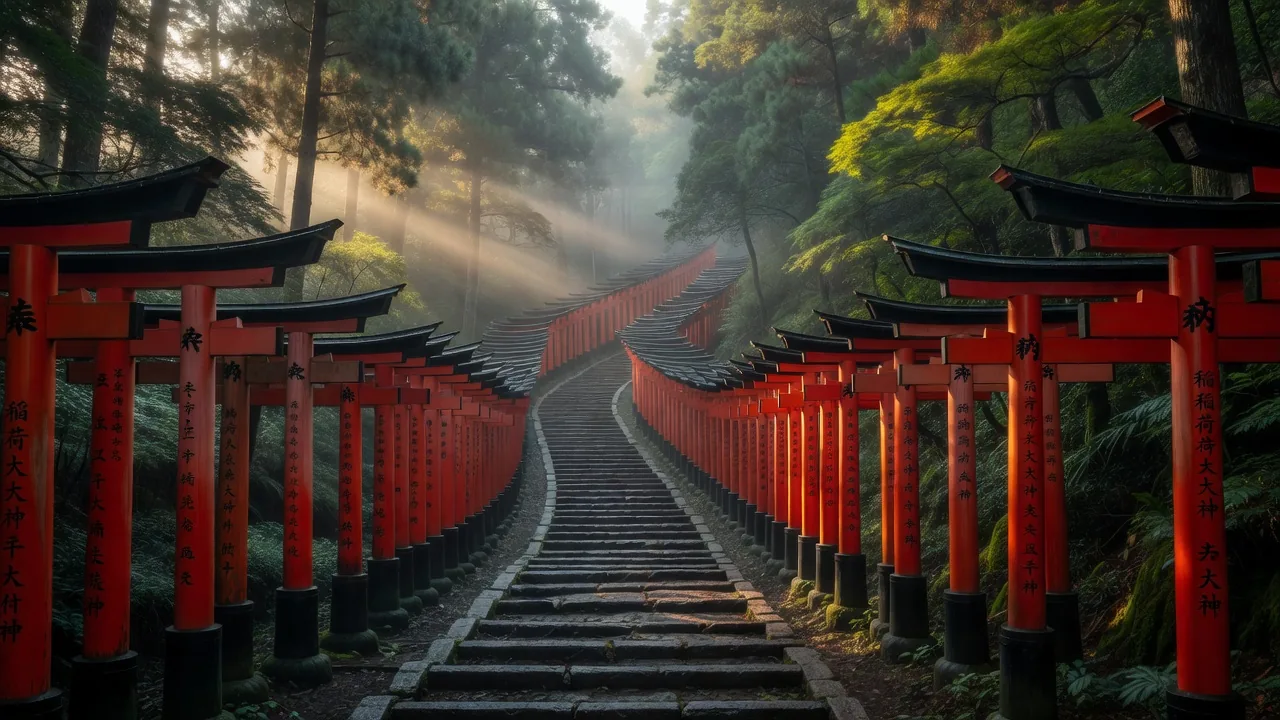
For over a thousand years Kyoto served as Japan's imperial capital, and the weight of that history has never quite lifted — it simply softened into daily life. Wooden machiya townhouses line narrow lanes between temple walls, incense drifts from open doorways, and the four seasons announce themselves with unmistakable clarity: plum blossoms in late winter, a flood of cherry pink each April, the dense green hush of summer moss gardens, and by November, entire hillsides turned the colour of embers. To walk here is to move between the sacred and the ordinary without ever quite noticing the line between them — a shrine gate at the end of a shopping street, a Zen garden behind an unmarked door. Kyoto rewards travelers who slow down and let its details accumulate rather than chase every landmark in a single afternoon.
季節、アクセス、滞在日数の目安。
Spring (late March–April) for cherry blossoms and autumn (November) for maple foliage bring Kyoto's gardens and temple grounds to their most vivid, layered color.
The Tokaido Shinkansen connects Tokyo to Kyoto Station directly, arriving near the city's heart with easy onward transfers to buses and the local rail network.
3–5 days to explore at an unhurried pace — enough time to pair famous landmarks with quieter neighborhood lanes and a day trip beyond the city center.
京都から広がる旅の続きを、ルートと物語でご紹介します。