Bowing
A slight nod of the head is enough for casual exchanges; a deeper bow signals gratitude or formality. Mirroring the depth offered to you is a safe rule.
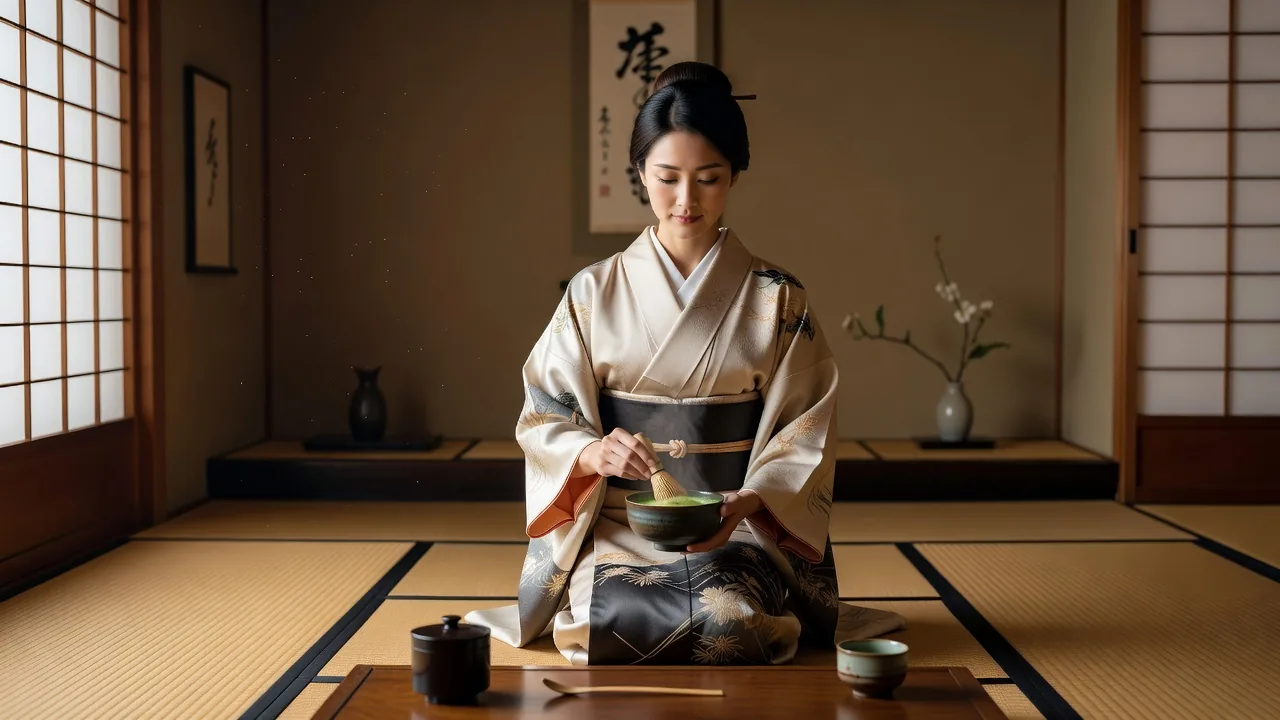
旅の奥にある、日本の文化と精神
Understanding the customs behind a place transforms travel from sightseeing into something closer to conversation.
文化を知ることで、旅の景色はより深く、豊かなものになります。
A temple is more than its architecture, and a festival is more than its lights. What gives a place its depth is the layer of custom, belief, and quiet etiquette that locals carry without a second thought — the specific way tea is offered, the hush observed before a shrine gate, the choreography of a summer festival passed down through generations. We believe the most meaningful journeys are the ones where travelers step, even briefly, into that rhythm rather than simply observing it from the outside. What follows are four threads of Japanese culture worth understanding before — and during — your visit.
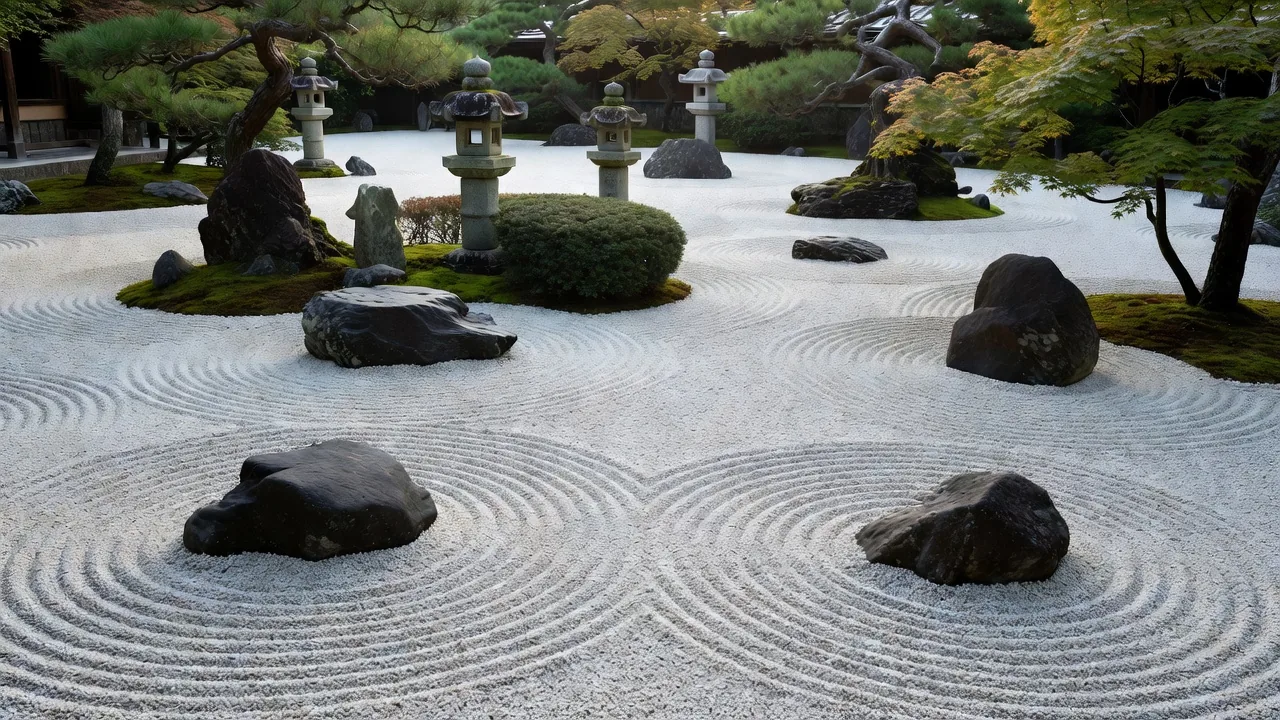 京都 — Kyoto
A dry rock garden holds no water, yet its raked gravel is meant to be read as rippling sea and its stones as mountains rising from mist. Sitting before one, even for ten minutes, is itself a form of practice — an invitation to slow the mind to the pace of the garden.
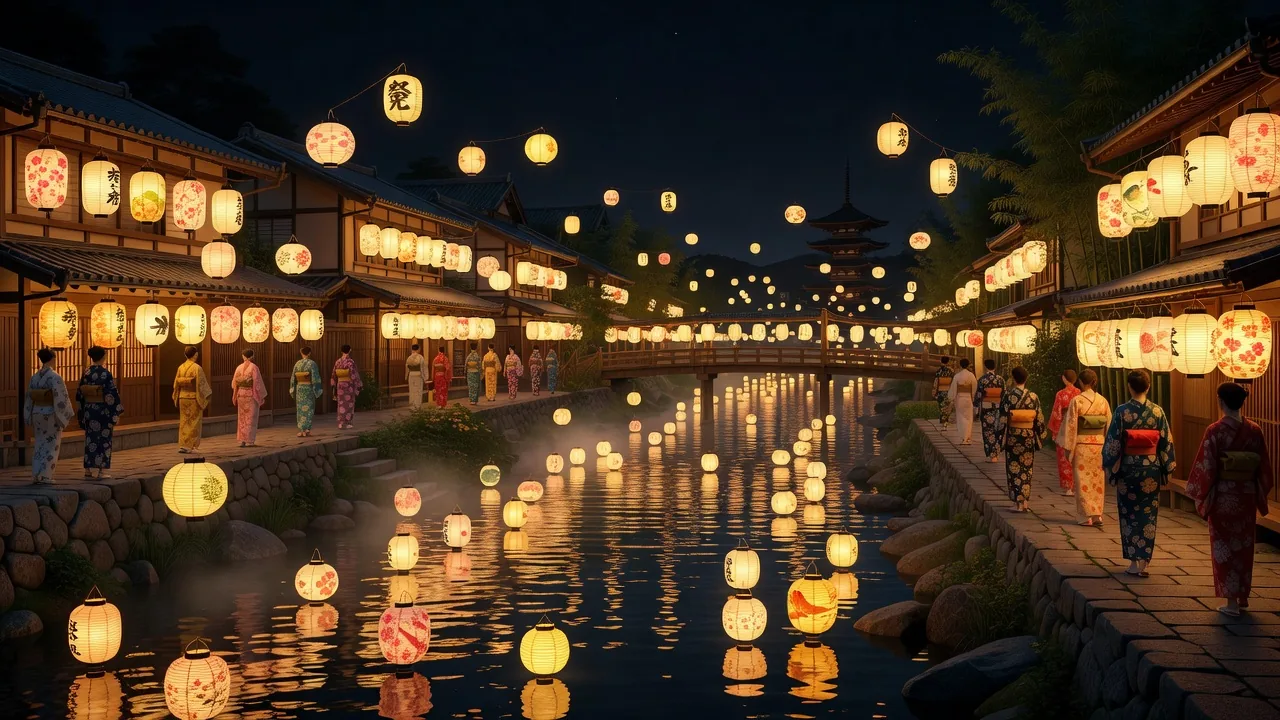 Lantern Festival
Across Japan, summer and autumn bring festivals where paper lanterns are floated on rivers or strung above temple approaches, transforming ordinary streets into something processional. These nights are as much about community as spectacle — neighbors setting up stalls, families walking together in yukata.
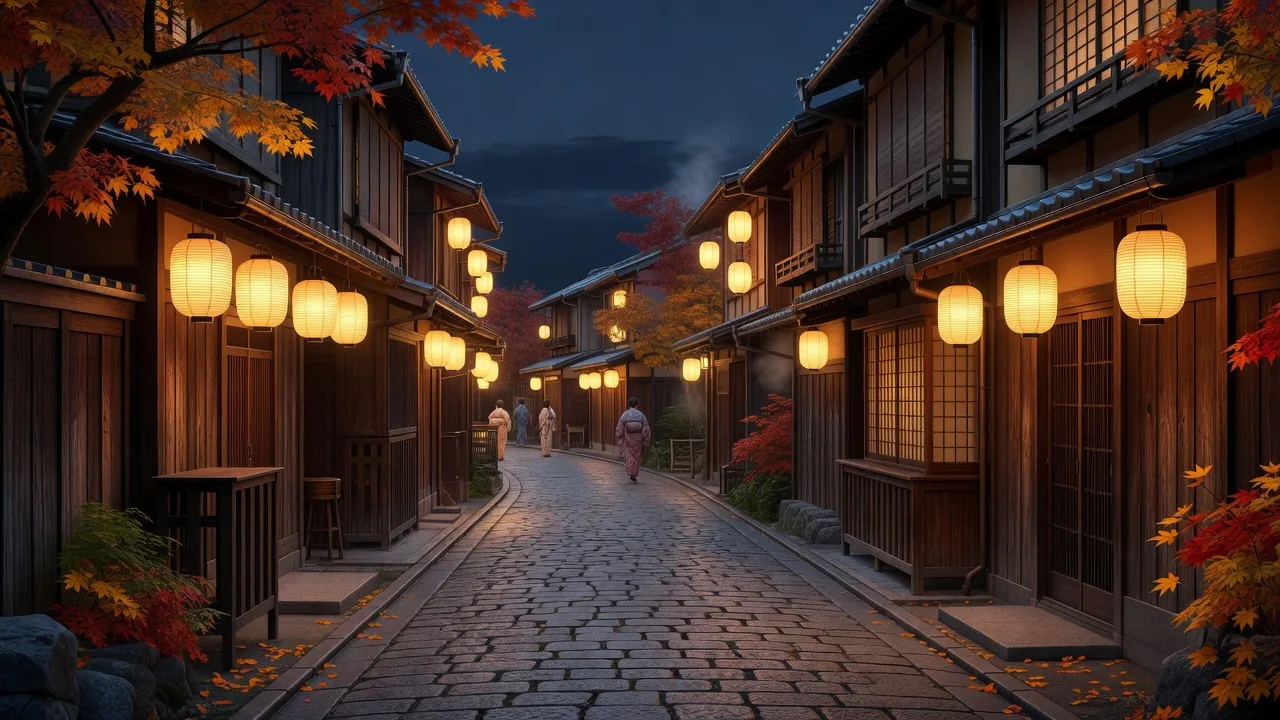 祇園 — Gion
Gion's lantern-lit lanes of wooden machiya are among the best-preserved traditional streetscapes in Japan, home to teahouses where geiko and maiko still train in classical music, dance, and conversation. Walking here at dusk, as lanterns flicker on and shopfronts close their sliding doors, feels like stepping into an earlier century.
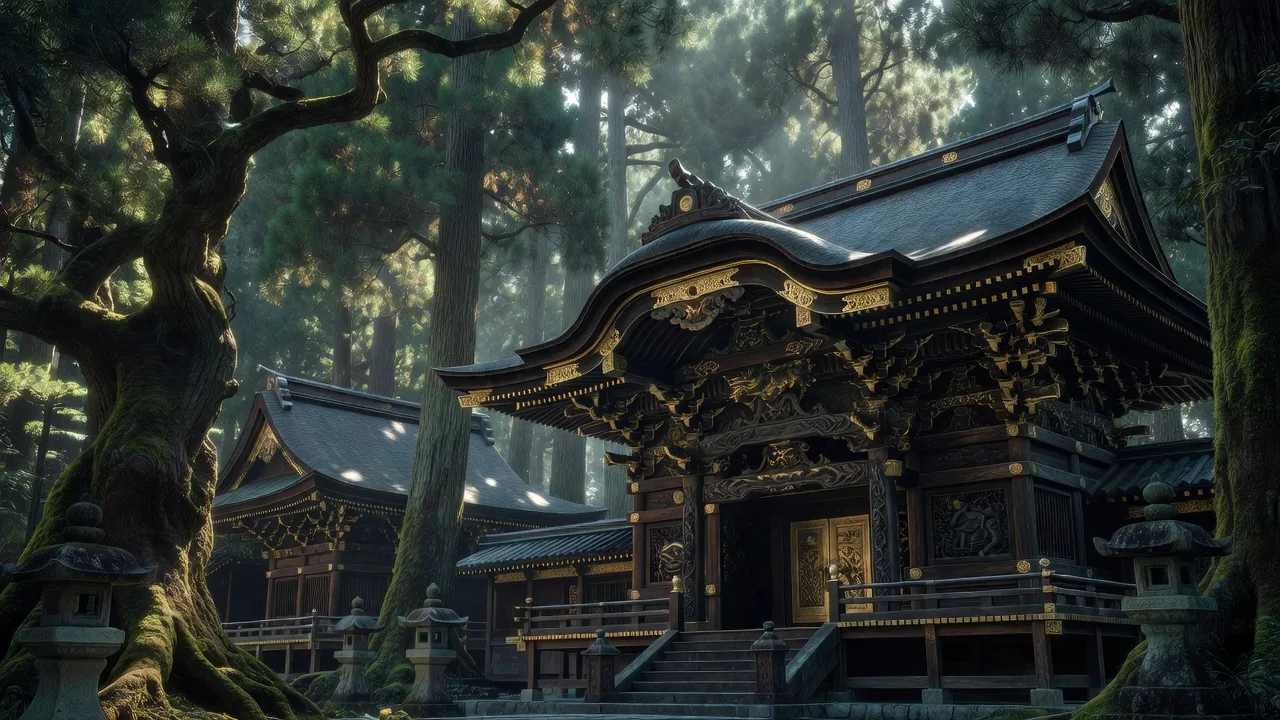 日光 — Nikko
Shinto shrines are frequently set within old-growth forest, the towering cedars themselves considered part of the sacred precinct rather than mere backdrop. The approach — passing beneath a torii gate, pausing at a purification basin — is designed as a gradual transition from the everyday world into consecrated space.
知っておきたい、日本での基本的な作法。
A slight nod of the head is enough for casual exchanges; a deeper bow signals gratitude or formality. Mirroring the depth offered to you is a safe rule.
Wash thoroughly at the shower stations before entering the communal bath, and keep towels out of the water — a small cloth is typically folded on the head instead.
Bow once before passing through the torii gate, rinse hands at the basin, and offer a coin, two bows, two claps, and a final bow at the main hall.
Seasonal festivals often follow specific customs around dress, food stalls, and participation — observing locals first is the easiest way to join in respectfully.
You don't truly see a country from its landmarks. You see it from the quiet customs its people carry without thinking — and travel, at its best, is learning to notice them.
— Golden Compass Lab, Editorial Notes茶道体験や伝統工芸のワークショップなど、文化に触れる旅を。